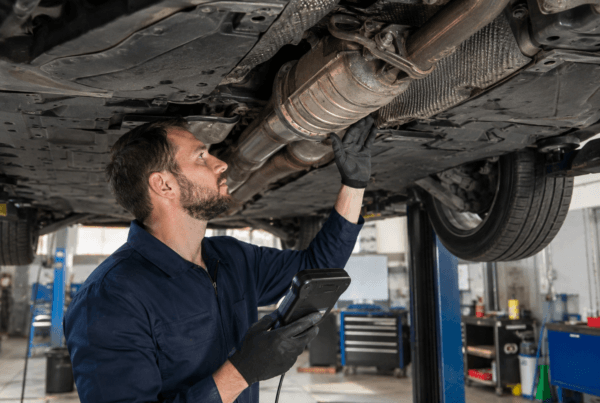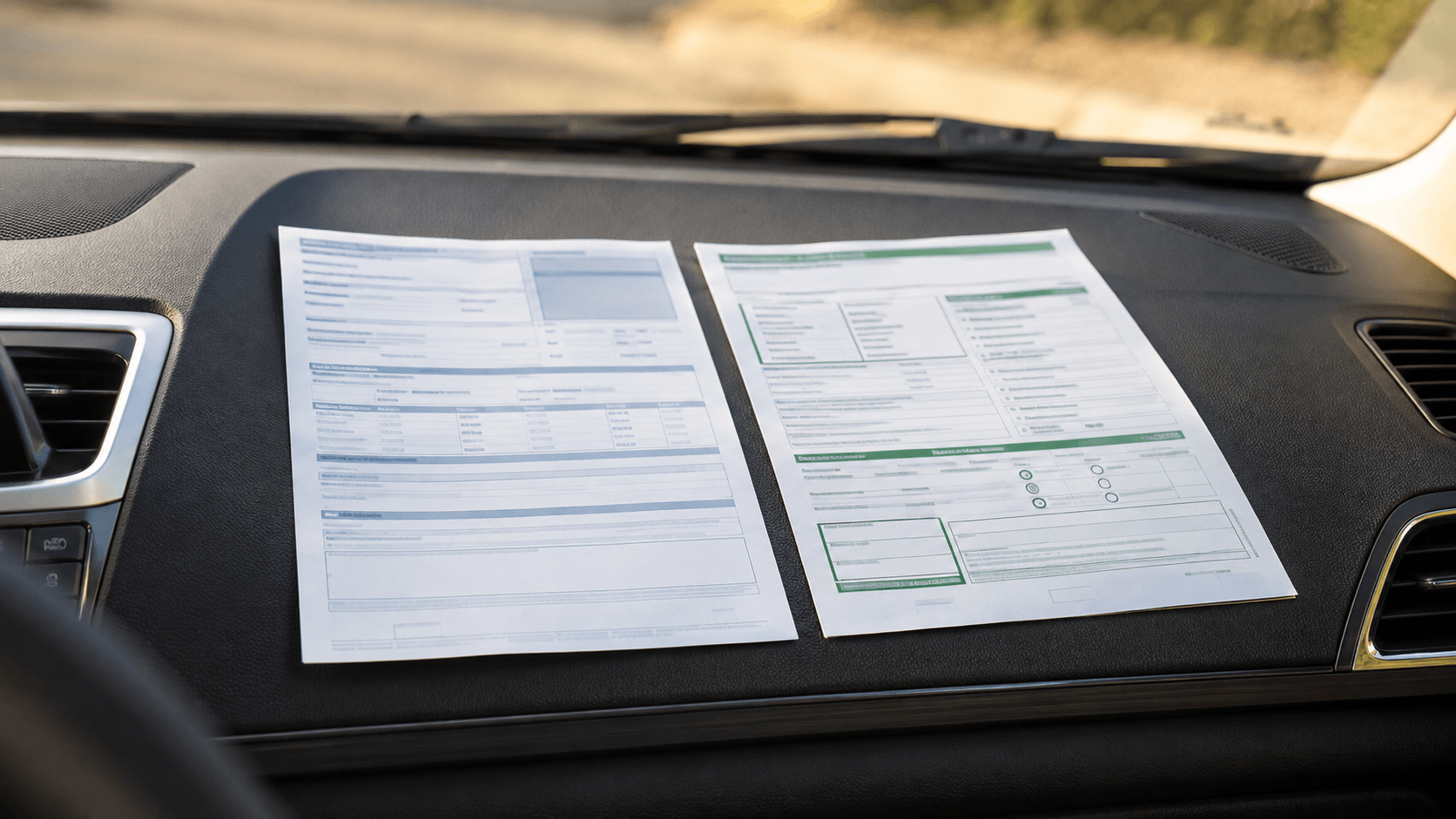
Once your car passes its smog check, the clock starts running. Here’s exactly how long that certificate holds up, and why the timing matters more than most people expect.
The Short Answer: 90 Days
A California smog certificate is valid for 90 days from the date of the test. This applies whether you’re using it for registration renewal, a private sale, or a change of ownership. After 90 days, the certificate expires and a new inspection is required, there’s no extension or grace period.
This is a firm rule, not a guideline. According to the Bureau of Automotive Repair, the certificate is issued electronically and sent directly to the DMV once your vehicle passes, but that 90-day window still applies regardless of when you actually submit your paperwork.
What This Means for Registration Renewal
If your renewal notice requires a smog check, you can test any time within the 90 days before your registration is due. There’s no benefit to testing earlier than that, if you test too far ahead of your renewal date, the certificate can expire before you actually need it, and you’ll be back for another test. For the full picture of when your vehicle needs testing in the first place, see our guide on how often you need a smog check in California.
What This Means If You’re Selling Your Car
If you’re selling a vehicle that’s four model years old or older, California requires you to provide the buyer with a smog certificate issued within the last 90 days. If your car passed a smog check more than 90 days before the sale date, that certificate no longer counts and a new one is required.
This is one of the most common surprises in a private sale. If your deal is taking longer than expected, whether you’re waiting on financing, paperwork, or a buyer to commit, it’s worth checking the date on your certificate before assuming it still applies.
One exception worth knowing: if you’re selling to a licensed dealership, the dealer typically handles smog certification separately as part of the transaction, so the 90-day window matters less on your end in that scenario.
What Happens If Your Certificate Expires
Nothing happens automatically, but you won’t be able to complete registration or a title transfer with an expired certificate. The DMV simply won’t accept it, and you’ll need a new inspection before moving forward.
Bringing a Vehicle from Out of State?
If you’re registering a vehicle in California for the first time, the same 90-day window applies to your smog certificate once you test. See our guide on out-of-state vehicle smog check requirements for the full registration process.
Frequently Asked Questions
Is the 90-day rule the same for STAR-directed vehicles? Yes. The certificate validity period doesn’t change based on whether you tested at a regular station or a STAR-certified one. See our guide on what to expect from a STAR-certified smog check station if you’re not sure which applies to your vehicle.
Can I check whether my last certificate is still valid? Yes. You can look up your smog check history for free through the BAR database, which shows the date of your last test.
What if I need a smog check for both registration and a sale at the same time? One passing test covers both purposes, as long as both happen within the same 90-day window.
Does the smog abatement fee affect this? No. Vehicles paying the smog abatement fee instead of testing (generally those eight model years old or newer) aren’t affected by the 90-day certificate rule since they’re not being tested in the first place.
Get Tested at AB Smog Check in Monterey Park
If your last certificate is getting close to 90 days old, or you’re not sure when your last test was, stop by AB Smog Check. We’ll test your vehicle and, if it doesn’t pass, explain your results in plain language and point you toward a trustworthy repair shop for the fix. For official registration rules, visit dmv.ca.gov.