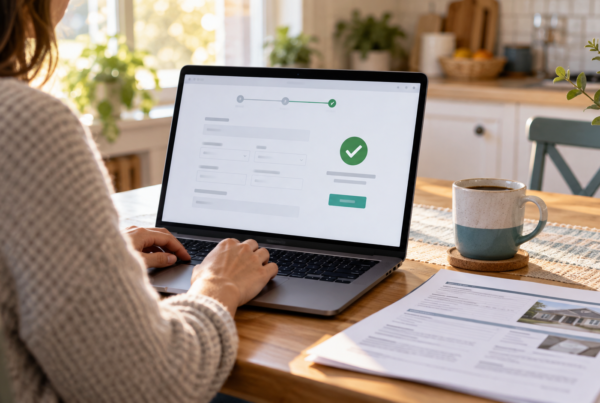
Every vehicle tested in California gets logged with the Bureau of Automotive Repair, and that record follows the car for as long as it’s registered in the state. Whether you’re buying a used car, getting ready for your own test, or just want to confirm your last result, pulling up that history takes about two minutes and costs nothing.
Why Your Smog Check History Matters
Your vehicle’s BAR record is more than a pass or fail list. It tells a story about how the car has been maintained over time.
- Buying a used car. A pattern of clean passes is a good sign the emissions system has been kept in working order. Repeated failures or a fail followed by a quick retest can point to ongoing issues worth asking the seller about.
- Getting ready for your own test. If the car has failed before, the record shows what tripped it up, so you know what to watch for this time. See our guide on common causes of smog check failure if you want to get ahead of it.
- Staying compliant. Most vehicles need a smog check every two years. Your history shows exactly when the last one happened and when the next one is due.
How to Look Up Your Vehicle’s Smog Check History
- Go to the official BAR website at bar.ca.gov.
- Find the Vehicle Smog Check History tool, listed under the Consumers section.
- Enter your license plate or VIN. Your VIN is on your registration card, on the dashboard visible through the windshield, or inside the driver’s side door jamb.
- Review your results. You’ll see every recorded test, including dates and pass or fail status.
What Shows Up in a BAR History Report
- Inspection dates for every test on file
- Pass or fail status for each visit
- Testing station information, where available, which can be useful if you’re trying to confirm where a vehicle was last serviced
If Your History Shows a Recent Failure
A failed test on record isn’t a dealbreaker, it just means repairs were needed before the vehicle could pass. If you’re the one dealing with a recent failure, our guide on what happens if your vehicle fails a smog check breaks down the process and what it typically costs to resolve. If cost is a concern, California’s Consumer Assistance Program may be able to help cover repair expenses for qualifying vehicles.
How Often You’ll Need a New Test
Most vehicles in California need a smog check every two years at registration renewal, with a few exceptions for newer, electric, and certain diesel vehicles. See our full breakdown of how often you need a smog check in California for the specifics.
Bringing a Vehicle from Out of State?
If you’re checking history on a vehicle you just brought into California, keep in mind its out-of-state test history typically won’t be in the BAR database yet, since it’s only just entering the system. Our guide on out-of-state vehicle smog check requirements covers what to expect for first-time registration.
Frequently Asked Questions
Do all vehicles in California need smog checks? Most do, every two years. Vehicles manufactured before 1975, fully electric vehicles, and some hybrids may be exempt.
Is checking my smog history really free? Yes. The BAR lookup tool at bar.ca.gov is free to use with just your plate number or VIN.
What’s the difference between “smog history” and “test history”? Nothing, they refer to the same BAR record. You’ll see it called a smog history, test history, or vehicle test history depending on where you’re searching, but it’s the same official database.
What happens if my vehicle fails? You’ll need repairs before it can pass a retest. At AB Smog Check, we provide a clear report explaining exactly what didn’t pass and point you toward a trustworthy repair shop for the fix.
How long is a smog check certificate valid once I pass? This depends on your specific registration cycle and vehicle type. We’re publishing a full breakdown of certificate validity periods soon.
Check Your History, Then Schedule with AB Smog Check
Once you’ve confirmed your history, if it’s time for a new test, AB Smog Check in Monterey Park makes it simple. We’re a STAR-certified station, walk-ins are welcome, and our staff will explain your results in plain language whether you pass or not.