If your vehicle fails a smog check by a wide margin, you may be labeled a gross polluter, which is a specific classification under California’s smog check program, not just a general term for failing. A gross polluter designation means your vehicle’s emissions exceeded the standard limits by a significant amount, well beyond a routine failure, and it comes with its own set of rules that differ from a standard failed test.
This label matters because it changes what you’re required to do next. A standard failed smog check usually just means repairs and a retest. A gross polluter classification adds extra requirements on top of that, and understanding the difference can save you time and confusion when you’re trying to get your vehicle back on the road.
How a Vehicle Gets Classified as a Gross Polluter
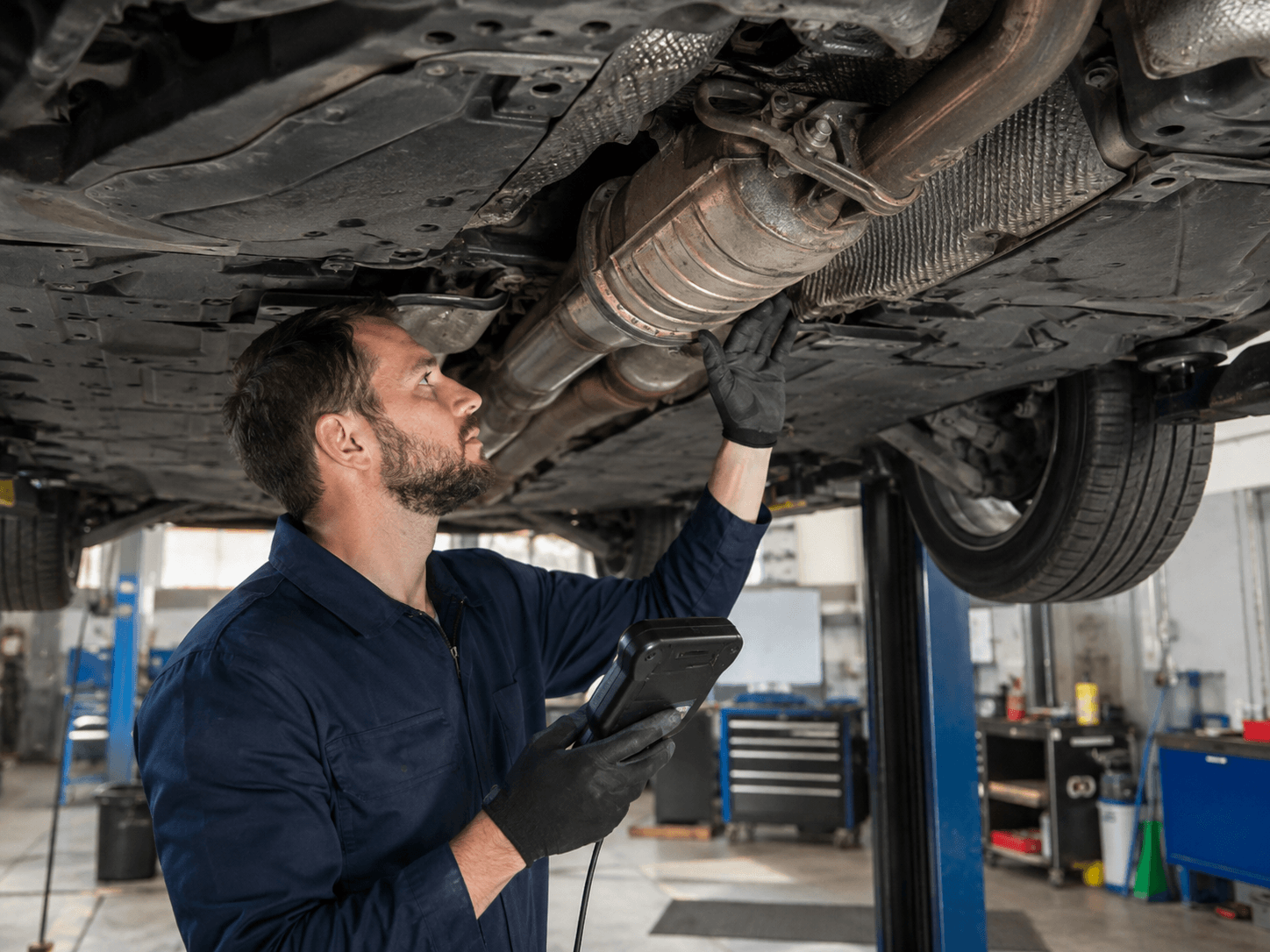
The classification is based on how far your vehicle’s emissions readings exceed the allowable threshold during testing, not on how the vehicle looks or sounds. A car that seems to be running fine can still test as a gross polluter if the underlying emissions control systems, such as the catalytic converter, oxygen sensors, or fuel mixture systems, aren’t functioning properly.
A few common causes behind a gross polluter result include:
- A failing or damaged catalytic converter
- Malfunctioning oxygen sensors feeding incorrect data to the engine
- A fuel system running significantly rich or lean
- Engine misfires that go unaddressed for an extended period
- Aftermarket modifications that interfere with factory emissions equipment
Older vehicles with higher mileage are more likely to end up in this category simply because emissions components wear down over time, but newer vehicles aren’t immune if a specific component fails unexpectedly.
What Happens After a Gross Polluter Result
Once your vehicle is flagged as a gross polluter, a few things typically follow:
Your vehicle will need to go through STAR certified testing and repair processes, which are more closely monitored than a standard smog check. This is meant to make sure the repairs genuinely address the emissions issue rather than just getting the vehicle to pass on a technicality.
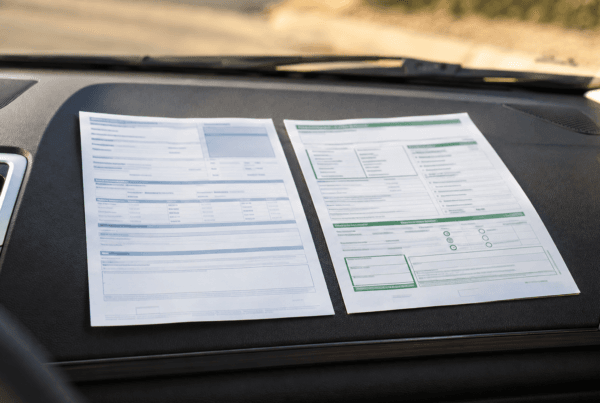
You may be required to provide documentation showing that specific repairs were made, rather than simply retesting until the vehicle happens to pass.
In some cases, gross polluter vehicles are subject to additional scrutiny during the retest, including a more thorough inspection of the repairs performed.
If the cost of repairs is a concern, this is also a situation where California’s Consumer Assistance Program may apply, since gross polluter repairs can sometimes be more extensive, and therefore more expensive, than a routine failure.
Repairing a Gross Polluter Vehicle
Because a gross polluter classification usually points to a more serious underlying issue, repairs often go beyond a quick fix. A qualified technician needs to actually diagnose which system is causing the excessive emissions rather than guessing based on symptoms.
This is one situation where it’s worth being cautious about repair shops that offer to just “get it to pass” without addressing the root cause. A vehicle that barely passes after a questionable repair is more likely to fail again at the next testing cycle, and gross polluter vehicles are more closely tracked than standard vehicles, so shortcuts tend to catch up with owners eventually.
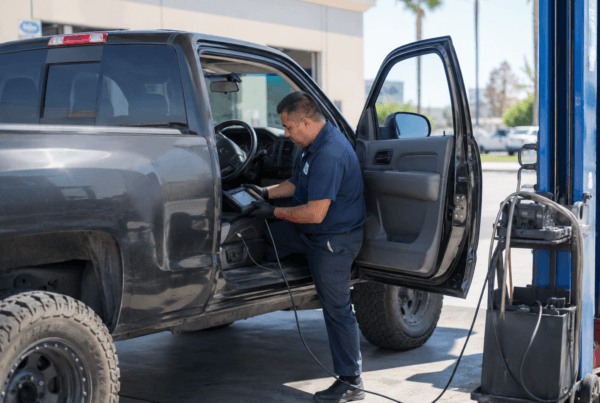
A proper repair path usually starts with a diagnostic scan to identify exactly which system triggered the excessive readings, followed by targeted repairs to that system, and then a retest to confirm the vehicle now falls within acceptable limits.
Can You Avoid a Gross Polluter Classification?
Regular maintenance is the most reliable way to avoid ending up in this category. Vehicles that receive routine oil changes, have check engine lights addressed promptly rather than ignored, and get periodic inspections are far less likely to develop the kind of significant emissions failure that leads to a gross polluter result.
If your check engine light has been on for a while and you’ve been putting off dealing with it, that’s often exactly the kind of issue that can quietly escalate into a gross polluter situation by the time your next smog check comes around.
If You’ve Been Classified as a Gross Polluter in Monterey Park
If you’ve received a gross polluter result and aren’t sure what your next steps should be, it helps to talk through what the retest actually requires before scheduling repairs. At AB Smog Check, we can walk you through what a STAR certified retest involves and help you understand what a legitimate repair path looks like for your specific vehicle.