Hearing that your car didn’t pass isn’t the disaster it feels like in the moment. There’s no fine or citation just for failing, but it does put your registration on hold until it’s resolved. Here’s exactly what happens, what it can cost, and what to do next.
What Actually Happens the Moment You Fail
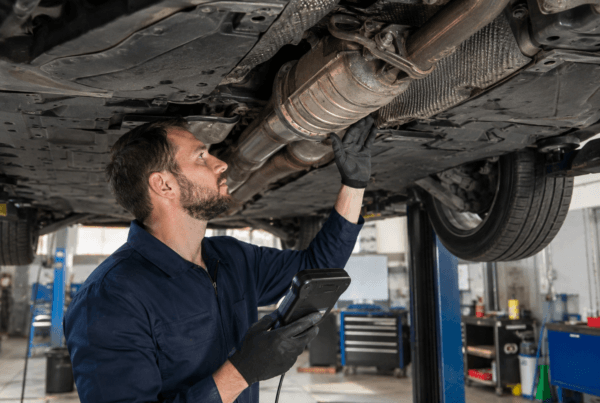
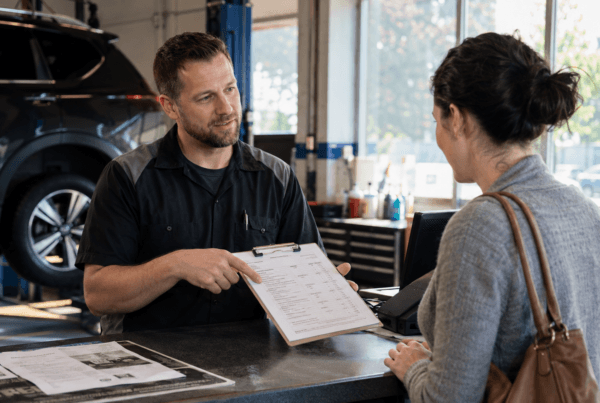
When your vehicle doesn’t pass, the technician issues a Vehicle Inspection Report, often called a VIR, that lists the specific reasons it failed. This isn’t just a pass or fail stamp, it’s a detailed breakdown pointing to the exact systems or components involved, which is what guides your next step.
The failed result is not submitted to the DMV as a pass, obviously, but it’s also not held against you as a penalty. You’re simply given the opportunity to make repairs and come back for a retest. There’s no limit on how many times you can retest, though each attempt does typically come with its own testing fee.
The Real Consequence: Your Registration Stalls
The immediate impact is that you can’t complete your registration renewal until your vehicle passes. If you’re getting close to your renewal deadline, this is where things get stressful, since driving with an expired registration can lead to fines or a citation if you’re pulled over. In some cases the DMV will grant a temporary operating permit, but that’s a short-term bridge, not a long-term solution, and it doesn’t remove the underlying requirement to pass.
If you’re in the middle of selling your vehicle, a failed test can also stall that process, since most sales in California require a valid smog certificate to complete.
What It Can Cost
This is the part people worry about most, and the honest answer is that it varies a lot depending on what caused the failure. A loose gas cap or minor EVAP issue might cost next to nothing to fix. An oxygen sensor is a moderate repair. A failing catalytic converter, particularly with California’s requirement for CARB-compliant parts, is usually the most expensive outcome. We break down the specific causes and their typical repair scope in our guide to common causes of smog check failure.
If repair costs are a real burden, California’s Consumer Assistance Program can help cover costs for qualifying vehicles and income levels, and the BAR also offers a repair cost waiver in certain cases where you’ve spent a qualifying amount trying to fix the vehicle but it still won’t pass.
What to Do Next
- Read your VIR closely. It tells you exactly what triggered the failure rather than leaving you guessing.
- Get it diagnosed and repaired. AB Smog Check doesn’t perform repairs ourselves, but we’ll walk you through what the report means in plain language and can point you toward a reputable repair shop for the specific issue found.
- Prep your vehicle before the retest. A few things make a real difference: drive at least 20 minutes before arriving so the engine is fully warmed up, make sure tires are properly inflated, and turn off the air conditioning during the test since it adds load to the engine.
- Bring it back for a retest, either at the same station or a STAR-certified one if your vehicle requires it. See our guide on what to expect from a STAR-certified smog check station if you’re not sure which applies to you.
If This Keeps Happening
Repeated failures usually point to something more persistent than a one-off issue, sometimes a vehicle that’s been flagged as a gross polluter needs a more thorough repair approach than a single component swap. If you’re not sure how often your vehicle should even be tested in the first place, our guide on how often you need a smog check in California covers the standard schedule and the exceptions to it.
Get a Clear Diagnosis at AB Smog Check
At AB Smog Check in Monterey Park, we’re upfront about what we do and don’t handle. We’ll test your vehicle, explain your VIR in plain language if it doesn’t pass, and point you toward a trustworthy repair shop for the specific fix needed. For more on repair cost assistance and the referee program, the Bureau of Automotive Repair’s site has the full details.